
CREMATION SERVICES
Following Your Loved One’s Wishes for Cremation
Cremation is a popular, affordable option to burial. Some choose it for religious reasons, while others for environmental causes.
What Is Cremation?
Cremation is an alternative to traditional burial. During cremation, remains are reduced through high heat to a coarse, sand-like form. Families may still choose to have a funeral and visitation service with cremation. And, of course, a personalized celebration of life memorial is also highly encouraged, even if you choose cremation.
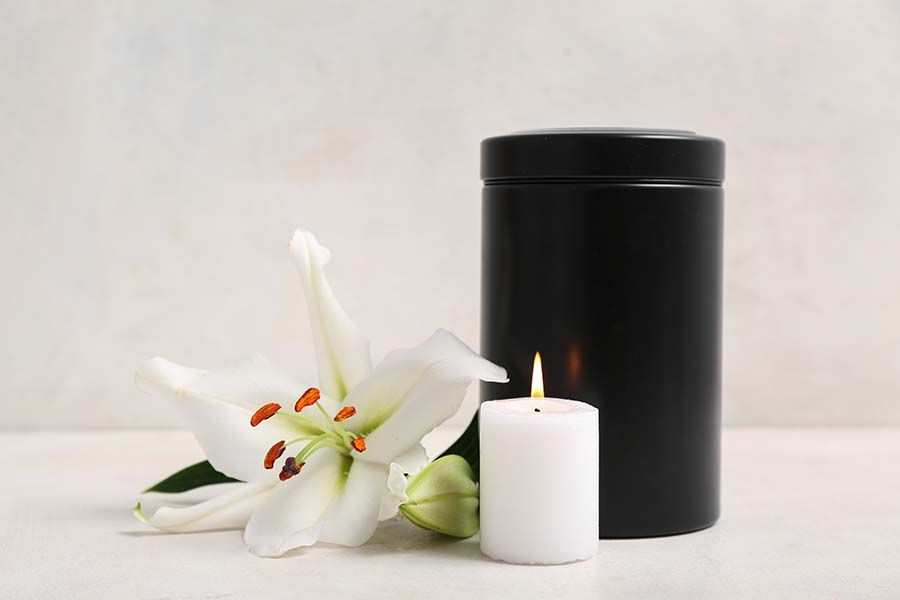
Funeral Service
Many families find meaning and beauty in a traditional service, which could include a viewing and visitation or a wake. Following the service, your loved one would be cremated. Depending on your wishes, the cremated remains may be returned to your family, scattered, or interred in a columbarium.
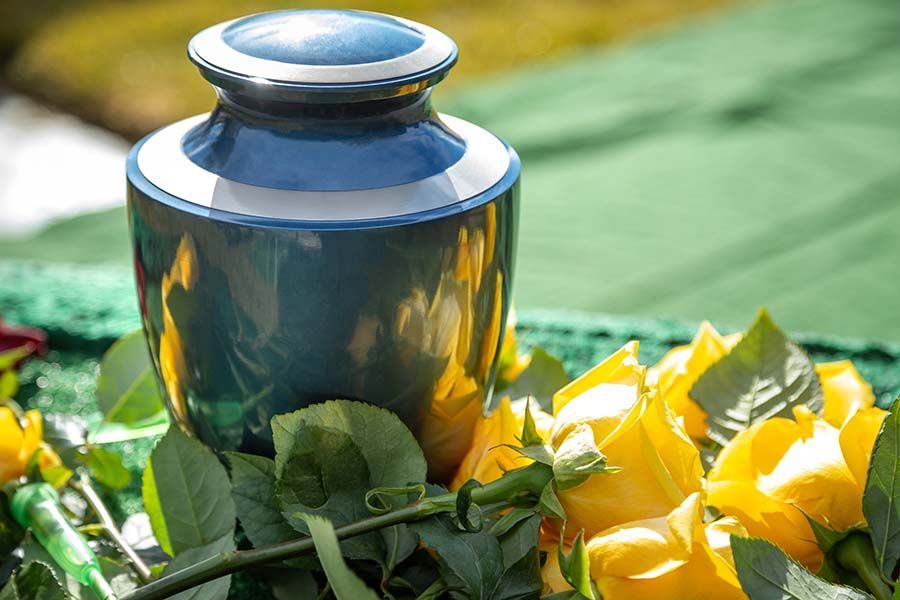
Memorial Service
A memorial service can be held in a chapel, church, or any other venue. We work with families to design a service that honors their loved one in their own unique way. That could be with clergy and scripture present, or with a life celebrant and stories. Your loved one’s cremated remains may be present at the memorial service.
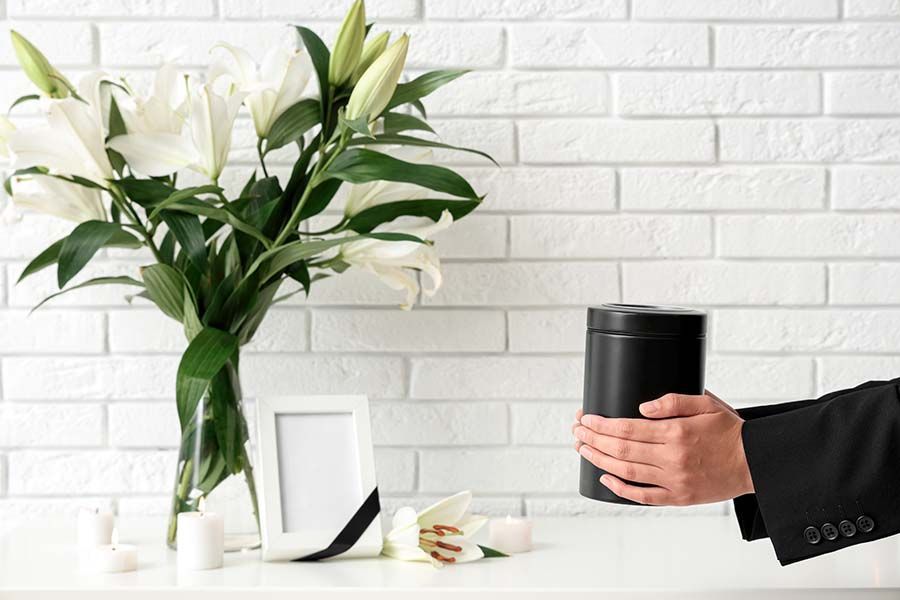
Celebration of Life
Some families choose to have a more lighthearted ceremony, often on a date set longer after the loved one has passed. Their cremated remains may or may not be present, and those attending this service often focus on sharing stories and gathering in celebration.
Regardless of the type of service you choose, cremated remains can be scattered, buried, or kept with the family in a decorative urn. There are many ways to dispose of ashes today. Cremated remains can be placed in an artificial coral reef in the ocean, launched into space, or sent up in helium balloons, even spun into glass pieces of art or diamonds.
Immediate Need? We’re Available 24/7
How Should I Honor My Loved One’s Remains?
Cremated remains can be…
- Kept at home in a decorative urn
- Buried in a cemetery lot or cremation garden
- Interred in a columbarium
- Scattered in a meaningful place
- Placed in an artificial coral reef
- Released via balloon or sent into space
- Transformed into glass art or a diamond keepsake
Whether you’re considering cremation or simply need help deciding if it’s right for your family, don’t hesitate to reach out. We’re here to help.
Cremation FAQs
What is cremation?
Cremation is the process of reducing the human body to ashes using high heat and flame. Cremation is not the final disposition of the remains, nor is it a type of funeral service.
Is a casket needed for cremation?
No, a casket is not required. Most states require an alternative container constructed of wood or cardboard; however, in some states, no container is required.
Is embalming required prior to cremation?
No. It is against the law for a funeral home to tell you otherwise.
Can the body be viewed without embalming?
Yes, most crematories allow immediate family members to view the deceased prior to cremation.
Can the family witness the cremation?
Yes, they can; some cremation providers will allow family members to be present when the body is placed in the cremation chamber. Some religious groups ask for this as part of their funeral custom.
Can an urn be brought into church?
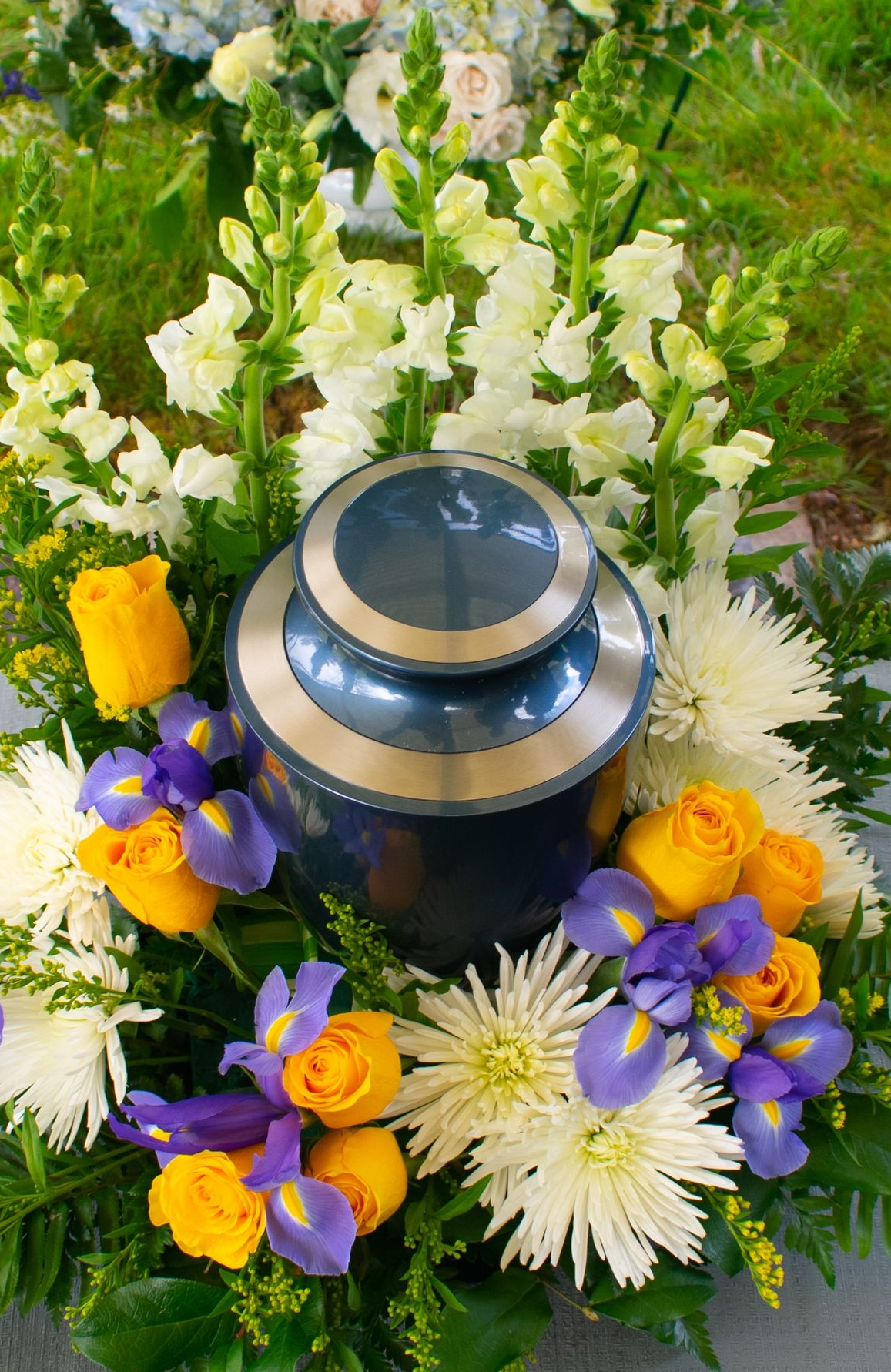
Nearly all Protestant Churches allow the urn to be present during the memorial service. Most Catholic Churches also allow the remains to be present during the Memorial Mass. Including cremated remains as part of the funeral provides a focal point for the service.
What can be done with the cremated remains?
While laws vary state by state, for the most part, remains can be buried in a cemetery lot or in a cremation garden, interred in a columbarium, kept at home, or scattered.
How can I be sure I receive the correct remains?
All reputable cremation providers have developed rigorous sets of operating policies and procedures in order to maximize the level of service and minimize the potential for human error. Since it is illegal to perform more than one cremation at a time, and the vast majority of crematories can only cremate one body at a time, it is next to impossible to receive the incorrect remains.
How long does the actual cremation take?
It all depends on the weight of the individual. For an average-sized adult, cremation can take two to three hours at a normal operating temperature of between 1,000 and 2,000 degrees Fahrenheit.
What do the cremated remains look like?
Cremated remains resemble coarse sand and are whitish to light grey in color. The remains of an average-sized adult usually weigh between 7 and 8 pounds.
Do I need an urn?
An urn is not required by law. An urn may be desired if there is to be a memorial service or if the remains are to be interred in a cemetery. If an urn is not purchased or provided by the family, the cremated remains will be returned in a temporary plastic container.
Whether you’re considering cremation or simply need help deciding if it’s right for your family, don’t hesitate to reach out. We’re here to help.